A Lucky Design Review: From SVG to Embroidery
Every embroidery designer has that moment: opening a new file, looking at the lines and shapes, and imagining how it will stitch out. Today, I'm looking at the Lucky Shirt Svg, Happy Go Lucky Svg, and thinking about its journey from a digital graphic to a real, stitched product. My perspective is always practical: what will this look like on fabric, how will it feel in the hoop, and what kind of project deserves this personality?
The First Impression: Cheerful and Uncomplicated
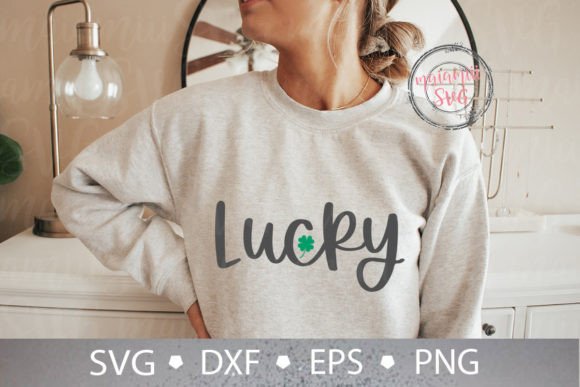
The name itself sets a tone. "Happy Go Lucky" isn't formal or fussy; it’s lighthearted. As a graphic, this suggests a design with open, clean shapes. I envision a layout that’s friendly and approachable, probably with a central motif—maybe a classic lucky symbol like a horseshoe or a four-leaf clover—paired with that upbeat phrase. The detail level likely leans toward bold outlines rather than intricate, tiny details. This is a visual personality that belongs on projects meant to spread a smile: a birthday gift tote bag, a cheerful kitchen towel for a new home, or a bright sweatshirt for a casual boutique.
The mood it creates is optimistic. This isn't a design for corporate branding; it’s for personalized gifts, small shop merchandise, and handmade products where warmth is the primary sell. For crafters and Etsy sellers, that’s a valuable niche. A customer browsing for a "feel-good" gift is likely drawn to this aesthetic.
Where This Design Shines in Real Embroidery
Let's talk application. I'm picturing a specific scenario: a client requests a custom embroidered tote bag as a "good luck" gift for a friend starting a new venture. The Lucky Shirt Svg feels perfect here. Its theme is direct and supportive. On a sturdy canvas tote, using a crisp satin stitch for the letters and a fill stitch for any emblem, this design would stitch out cleanly and become a durable, meaningful item.
Beyond tote bags, this embroidery file naturally fits a wide range of projects. For baby clothes, like a romper or a little sweatshirt, it could be a sweet, positive message. On a cotton apron, it becomes a fun kitchen accent. As an embroidered patch, it could be applied to a backpack or a hat. For holiday gifts—think a "good luck for the new year" pillow cover—it works wonderfully. The strength here is its versatility across casual, gift-oriented products.
For commercial embroidery projects, like a series of sweatshirts for a small boutique, this design offers consistency. It’s recognizable and easily repeatable across multiple garments. For digital product sellers offering printable mockups or design assets, the clean SVG base is a great starting point for professional previews.
Visual Appeal and Customer Engagement
How does this affect the finished product's value? A well-embroidered "Happy Go Lucky" design on a quality item transforms it. The handmade presentation gains a layer of intent. It’s not just a shirt; it’s a shirt with a message. This boosts giftability enormously. A customer buying this on a tea towel or baby blanket isn't just buying a functional item; they're buying a sentiment. That builds customer trust and engagement with your craft business.
Stitching clarity is key. With a presumably bold design, the letters and elements should remain distinct even after conversion to an embroidery file. This clarity translates to professionalism. A blurry, crowded message feels cheap; a clear, well-spaced "Happy Go Lucky" feels confident and skilled.
Caution Areas: Where to Be Mindful
No design is perfect for every situation. With a theme like this, the instinct might be to put it everywhere, but practical judgment is needed. First, consider scale. If the design includes small lettering or detailed corners, be cautious with very small hoop sizes. On a baby hat’s curved surface, for example, tiny details might lose definition.
Texture and fabric matter. On highly textured fabrics like some sweaters, the message might not pop unless stitch density and thread color are carefully chosen. On thin or stretchy fabric, like a lightweight t-shirt, proper stabilizer is non-negotiable to prevent puckering and maintain that happy, crisp look.
Dark fabric backgrounds require planning. Will the typical "lucky" imagery—often green or metallic in concept—stand out against navy or black? A test stitch on scrap fabric is essential to check thread color contrast. Also, on layered garments like caps with seams, the design layout needs to accommodate the curve, not fight it.
Finally, consider products that need frequent washing, like kitchen towels or baby items. A dense stitch area on the design might hold up better than an overly delicate one. The durability of the finished product impacts customer satisfaction long-term.
Practical Notes for the Embroidery Designer
Before loading this into your machine, make a checklist. Since this is a digital cut or print file designed for software like Cricut Design Space and Silhouette Studio, your first step is converting it to a suitable embroidery file format for your machine. Check your software’s capabilities.
Always test on scrap fabric first. Use a fabric similar to your final project—whether it’s cotton for a pillow cover or polyester for a cap. This reveals the true stitch density, how small details like apostrophes or clover leaves behave, and whether any adjustments are needed.
Review it in black and white mockups. This helps you see the design purely as shape, ignoring color assumptions. Compare how it would look on both light and dark fabric backgrounds mentally, then plan your thread palette.
Crucially, confirm the licensing. The product description notes it’s a digital file, but you must verify the terms for your use. Are you allowed to use this embroidery file for commercial projects, like selling embroidered tote bags in your small shop or at craft fairs? Or is it only for personal, non-commercial gifts? Never assume. This step protects your craft business.
If you're an Etsy seller or digital product seller creating your own listings, using this design as a base for a finished product, clear licensing is the foundation of your professional operation.
The Final Stitch: A Design Built for Good Vibes
The Lucky Shirt Svg, Happy Go Lucky Svg, from a designer’s eye, is more than a graphic. It’s a potential centerpiece for projects that celebrate positivity. It belongs in the world of custom apparel meant to uplift, personalized gifts that carry a message, and small business merchandise that values a friendly brand voice.
Its success hinges on the embroiderer’s skill and forethought: choosing the right project, the right fabric, the right thread, and the right stabilizer. But the raw material—that cheerful, uncomplicated personality—is a strong start. When stitched well, it doesn’t just decorate an item; it infuses it with a little luck, and that’s a valuable thing to sell, or to give.