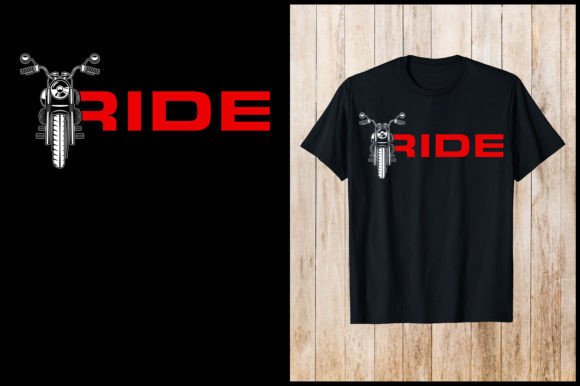
Ride Motorcycle T-Shirt
First Impression: Bold, Clean, and Built for Movement
When I opened the Ride Motorcycle T-Shirt design, what struck me wasn’t just the subject—it was the rhythm. The bike leans forward with subtle motion, lines are confident but not overly complex, and the negative space around the silhouette feels intentional, not accidental. This isn’t a cluttered vector meant for screen printing alone; it’s got the visual breathing room that translates well to embroidery—especially on apparel where fabric movement matters. As an embroidery designer who’s stitched everything from baby onesies to boutique aprons, I immediately saw how this design could hold up across textures and scales.
A Real-World Test: Embroidering It on a Heavy Cotton Tote Bag
Last week, I used Ride Motorcycle T-Shirt for a custom order: a medium-weight canvas tote for a local motorcycle club’s merch table. I digitized it at 4.2” wide (hoop size: 5x7”), added light tear-away stabilizer underneath, and chose matte black thread on charcoal fabric. The result? Crisp edges, no puckering, and zero lost detail—even in the curved handlebar line and the slight taper of the rear tire. Customers didn’t just recognize the bike—they paused. That pause is gold. It means the design carries presence, not just imagery.
Where It Shines (and Where It Needs Thought)
Ride Motorcycle T-Shirt works especially well for:
- Custom apparel: Sweatshirts, crewnecks, and relaxed-fit tees—its clean outline avoids stitch crowding on knit fabrics.
- Embroidered patches: The solid silhouette and minimal interior detail make it ideal for sew-on or iron-on patches without dense fill stitch buildup.
- Tote bag design and apron embroidery: Holds visual weight at larger sizes without needing excessive density.
- Holiday embroidery and personalized gifts: Feels timeless—not trendy—so it reads well on Father’s Day gifts, birthday sweatshirts, or “just because” embroidered pillow covers.
- Craft business and Etsy seller use: Its versatility across products (t-shirts, mugs, pillows) means you can create cohesive bundles—digital embroidery file + printable mockup + finished product photos—all anchored by one strong graphic.
But—and this is where experience kicks in—Ride Motorcycle T-Shirt needs careful handling on:
- Small hoop sizes (<5” wide): The front wheel and headlight area shrink quickly. At under 3”, fine details blur. Test first on scrap fabric.
- Textured or stretchy fabric: On ribbed knits or lightweight jersey, use cut-away stabilizer and reduce top tension slightly—those clean curves can distort if the base fabric shifts.
- Dark fabric: The design lacks built-in drop shadows or outlines, so thread color contrast becomes critical. A single-color satin stitch in charcoal gray on navy fabric reads better than pure black—it adds depth without heaviness.
- Curved surfaces like caps: Avoid placing it over the crown seam. Center it on the front panel instead—its horizontal balance makes it forgiving there.
What It Adds to Your Finished Product
This isn’t just a graphic—it’s a quiet confidence booster for your handmade product. When customers see Ride Motorcycle T-Shirt stitched cleanly on a kitchen towel or baby onesie, it signals intention. Not “I slapped something on,” but “I chose this because it fits.” That builds trust. For Etsy sellers, that translates to fewer “Is this really embroidered?” questions and more repeat buyers. For craft fair vendors, it means your booth has consistent branding—even if you’re mixing tote bags, patches, and tea towels.
It also supports brand consistency without locking you in. You can pair it with minimalist typography (“Ride” in a clean sans-serif), or layer it subtly behind a monogram on a personalized gift. Its lack of heavy shading or gradients keeps it flexible across mediums—whether you’re stitching it, screen printing it, or using the included PNG for digital mockups.
Practical Embroidery Designer Notes
Before you stitch Ride Motorcycle T-Shirt into your next project, here’s what I do every time:
- Test on scrap fabric first—same weight and weave as your final piece.
- Check thread color contrast on both light and dark fabric backgrounds. Print a black-and-white mockup to assess value separation.
- Review stitch density in the tire tread and handlebar area—if digitizing yourself, avoid overfilling those zones on thin fabrics.
- Confirm hoop size compatibility. The original artboard is large (4500×5400px), but embroidery files aren’t included—you’ll need to digitize or source a compatible embroidery file separately.
- Inspect small details at 200% zoom: Are corners sharp? Does the front fork taper cleanly? If not, adjust before hooping.
- Use proper stabilizer: Medium-weight cut-away for stable wovens, tear-away for stable knits, and fusible for lightweight or sheer layers.
- Verify licensing before selling finished items or bundling the digital embroidery file—this design is listed for T-Shirt Designs and Graphics use, but commercial embroidery rights depend on the seller’s terms.
Final Thought: A Design That Moves With Your Business
Ride Motorcycle T-Shirt doesn’t shout. It leans in. That’s why it works so well for real embroidery projects—from a dad’s custom apron to a boutique’s limited-run pillow cover collection. It respects the craft. It leaves room for your skill to show through. And for makers juggling client deadlines, Etsy uploads, and craft fair prep, that kind of reliability is rare. It’s not flashy—but when stitched right, it feels earned.