Boop That Nose Retro SVG: A Brand Designer's Review
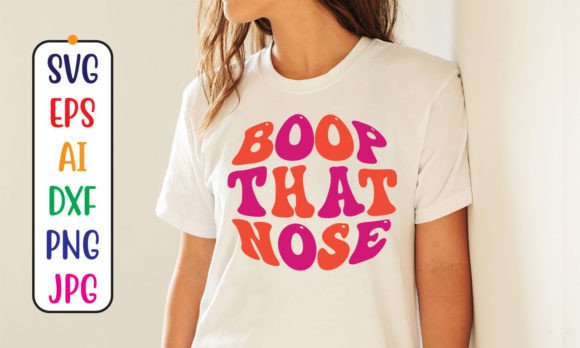
As a brand designer preparing visuals for a new playful product launch, my first impression of the Boop That Nose Retro SVG File was immediate delight. The design asset carries a distinct, friendly vintage charm. It creates a mood of lighthearted nostalgia and casual connection, perfect for brands targeting audiences who appreciate humor, pets, or a relaxed, human-centered vibe. This isn't for ultra-premium, corporate branding; instead, it feels tailor-made for casual branding, lifestyle content around pets or family, handmade product shops, event promotions for community gatherings, and editorial graphics aiming for a warm, approachable tone.
The Retro Mood and Your Audience's Perception
The emotional tone here is uncomplicated joy. Using this graphic design asset signals to your audience that your brand is friendly, perhaps a bit quirky, and doesn't take itself too seriously. For a small business launching a line of pet-themed merchandise or a blogger creating content around animal care, this visual can instantly forge an emotional connection. It tells people you understand a simple, universal moment of affection—the “boop.” In marketing, that shared understanding is a powerful tool for building trust and recognition.
Putting This SVG Into a Real Marketing Project
Let's frame this around a real case: a creative entrepreneur is launching a seasonal “Pet Parents” content kit, including blog posts, social media templates, and printable promo cards for a local pet event. The Boop That Nose Retro SVG File becomes the hero graphic for the campaign. Its layered SVG format means I can easily adapt it. I can change colors to match the brand palette, isolate elements for packaging accents on treat bags, or use the word-by-layer structure to animate parts subtly for a digital ad. The included AI and PNG files provide flexibility—the AI file for professional packaging design or product label adjustments, the PNG for quick drag-and-drop into Canva templates for social media graphics.
Where This Design Asset Strengthens Your Visual Campaign
This creative design performs exceptionally in specific marketing and branding situations. For social media graphics like Instagram posts or Pinterest pins, its bold, retro style attracts attention without clutter. As a website header for a pet-services site or a email banner for a playful newsletter, it creates a strong first impression. It works wonderfully as a decorative element on product labels for handmade goods, event flyers, or printable promotions. In digital ads and blog graphics, it supports clearer visual hierarchy by serving as a focal point that guides the viewer to the headline or call-to-action. For merchandise like t-shirts or stickers—its obvious category—it provides a ready-made, professional illustration that feels cohesive.
Supporting Concrete Marketing Goals with One Graphic
Beyond decoration, this SVG design supports strategic goals. Its consistent style aids in more consistent branding across channels. The professional finish of the illustration contributes to improved audience trust and a professional appearance for a small business. Its memorable, simple concept fosters stronger recognition and better engagement because it’s easy to recall and share. In a content marketing kit, it helps create more memorable campaign visuals that stand out from generic stock imagery.
Optimal Applications for Maximum Impact
- Hero graphics for a product launch page celebrating a fun, new item.
- Campaign headers for a “National Pet Day” social media series.
- Branded templates within Canva for your team to use quickly.
- Social media covers to refresh your profile with seasonal energy.
- Packaging accents on thank-you cards or inserts for product shipments.
- Content bundles like downloadable lead magnets for pet lovers.
- Promotional banners for a sale on pet-themed merchandise.
- Editorial layouts in a digital magazine or blog article.
Caution Zones: Where to Use This Asset Carefully
While versatile, the Boop That Nose Retro SVG File has boundaries. It should be used carefully in formal corporate branding where a serious tone is required. Avoid dense information layouts where its decorative nature might compete with crucial text. Test its readability when scaled down for small mobile graphics; the detailed lines might blur. On low-contrast backgrounds, it may lose impact. For overly minimal brands, it might feel too ornate. In text-heavy ads, ensure it doesn’t overshadow the main message—use it as an accent, not the centerpiece.
Practical Brand Designer Notes Before You Launch
Before integrating this into paid campaigns or client work, do your due diligence. First, test it with your brand color palette. The layered SVG allows for easy color swaps. See how it looks in black and white for potential print applications. Always place it inside real campaign mockups—a fake Instagram post, a website header comp. Preview it on mobile screens to check scale. Test readability in small sizes if using it as a tiny icon. Compare it against competitor visuals to ensure uniqueness.
Pay attention to typography pairing. Check how it balances with a serif font for a classic look, a clean sans serif font for modernity, a script font for elegance, or a handwritten font for total casual charm. Display font styles might compete; review spacing and balance. Most critically, confirm commercial licensing for this digital product before using it in commercial design, client projects, or permanent business branding. Knowing you have clear rights is foundational to professional branding.
Why This Graphic is a Strong Asset for Creators
For brand owners, marketers, and content creators operating in the playful, lifestyle, or pet niches, the Boop That Nose Retro SVG File is more than clipart. It's a versatile marketing visual that can anchor a campaign, unify a content kit, and elevate product presentations with a consistent, engaging style. Its retro aesthetic is currently resonant, offering a blend of novelty and familiarity that audiences respond to. Provided it's used thoughtfully within its strengths—casual branding, attention-grabbing graphics, and emotional connection—it becomes a valuable component in a modern design toolkit, helping creative entrepreneurs communicate their brand’s personality clearly and memorably.