Cooking is My Jam: An Embroidery Designer's Review
As a designer who stitches both for clients and for my own small shop, I'm always looking for designs that feel both fun and functional. A great graphic should jump off the screen and tell me exactly what kind of embroidered product it wants to become. So when I sat down to look at Cooking is My Jam SVG PNG JPG Cut Files, I wasn't just looking at a picture; I was thinking about thread, fabric, and the final product in someone’s hands.
First Impressions: A Warm, Whimsical Welcome
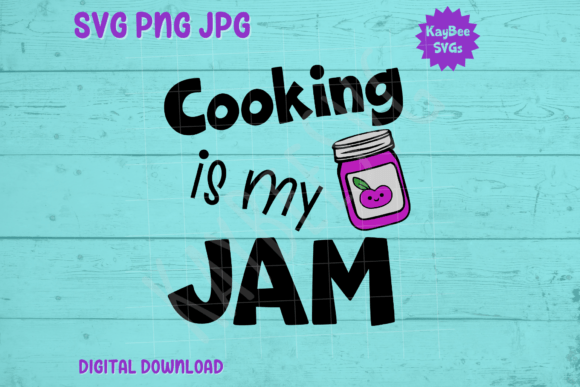
The design immediately creates a mood of friendly, joyful obsession. It’s not just a statement; it’s a declaration of passion, wrapped in a playful layout. The visual personality is cheerful and approachable, perfect for anyone who sees their kitchen as a creative studio. For embroidery, this translates to a project that feels like a personalized gift right from the start, even before you hoop the fabric. It naturally belongs on items that celebrate homemade things—whether that’s the meal itself or the handmade product you’re putting it on.
The Natural Habitat for This Stitched Design
In my mind, I immediately pictured this on a high-quality kitchen towel or a chef’s apron for a boutique product. But its warmth also makes it ideal for a cozy, embroidered sweatshirt for a home cook, or a custom tote bag for carrying market goods. The theme is so universally positive that it would shine as a small, sweet patch on a baby bib for a food-loving family, or as a central motif on a pillow cover in a rustic kitchen nook. For small business merchandise, like items for a local café or a handmade craft business, it adds instant personality and brand consistency.
Performance on the Actual Product
Moving from idea to reality is where a design truly proves itself. For real-life embroidery situations, the key consideration here is clarity. When stitched out, the lettering and the accompanying graphic elements need to remain distinct and readable. On a dark fabric like a navy apron, you’d need to plan thread color contrast carefully—a bright white or a warm yellow satin stitch for the main lettering could pop beautifully. On a light background, like a cream-colored tea towel, richer, contrasting colors would bring it to life.
For apparel like t-shirts or caps, the stitch density and the design's overall scale are crucial. On stretchy fabric or thin fabric, a design with very dense fill stitch areas can pose challenges, requiring the right stabilizer to prevent puckering. On a curved surface like a cap, the layout would need to be tested in a smaller hoop size to ensure the details don’t get lost or distorted at the edges. This isn’t a criticism of the design itself, but a practical note for any embroidery project: always test on scrap fabric first, especially when working with textured fabrics or layered garments.
A Note on Scale and Detail
One of the most important steps before running any embroidery file is to inspect the small details in a software preview. Tiny lettering or intricate decorative accents can sometimes become a blur of threads if the stitch settings aren't adjusted. For Cooking is My Jam SVG PNG JPG Cut Files, checking the clarity of the key words in the design at your intended output size is a must. I would also strongly advise testing it in simple black and white mockups to judge its form independently of color, and comparing how it looks on both light and dark fabric backgrounds in your preview software. This groundwork saves time and materials and ensures the finished product has the visual appeal and stitching clarity that builds customer trust.
Where It Elevates, and Where to Be Mindful
This design excels in projects where handmade presentation and giftability are paramount. Stitched onto a nice linen tea towel or a canvas tote, it becomes a high-value, personalized gift. For an Etsy seller or someone preparing craft fair products, it’s a design that engages buyers because it speaks to a common, happy hobby. It boosts professionalism when stitched cleanly on a boutique product, like a high-end apron for a small shop.
However, there are places to use it carefully. On items that need frequent washing, like baby clothes or everyday kitchen towels, you’d want to ensure the embroidery is robust—using quality thread and secure stitches. Also, for commercial embroidery projects where speed and consistency are key, confirming the design works smoothly in your machine’s preferred format and that the licensing permits such use is an essential first step, before any production begins.
Practical Designer Notes for Your Project
- Always test the embroidery file on a scrap of your intended fabric first.
- Review stitch density in your software; adjust if areas seem too dense for delicate fabrics.
- Confirm your hoop size can accommodate the design at the scale you want.
- Plan your thread colors with contrast in mind, especially for dark fabric.
- Use the proper stabilizer for the fabric type to maintain a clean finish.
- Before selling finished items, check the specific licensing terms for commercial use.
- Remember, a great digital embroidery file is a starting point; your skill and preparation turn it into a standout finished product.
From Digital File to Treasured Item
Ultimately, Cooking is My Jam SVG PNG JPG Cut Files offers a strong, cheerful foundation. Its strength isn't in hypothetical specs, but in the real-world mood it creates. It’s a graphic that asks to be stitched onto something that will be used, gifted, and appreciated. For embroidery designers, small business owners, and makers, that practical potential is what we're really reviewing. By approaching it with these realistic considerations—thinking through fabric, thread, and end-use—you can transform this digital design asset into an embroidered project that feels as joyful and genuine as the phrase itself.