Evaluating Hungry Panda SVG Graphics for T-Shirt Designs
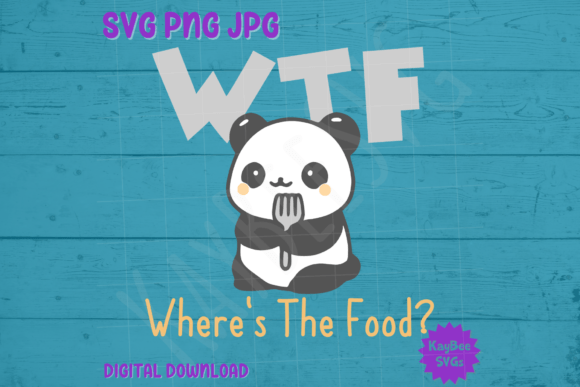
When preparing a new collection for my digital shop, I approach each graphic design asset with a business-first mindset. I'm looking at WTF Where's the Food - Hungry Panda SVG not just as a fun illustration, but as a commercial design that needs to turn into sellable products. The first impression is distinctly playful and cute, with a niche appeal for animal lovers, food enthusiasts, and anyone with a humorous, casual style. The visual personality is lighthearted and approachable, which means it likely attracts a broad, general audience rather than a hyper-specific one. This is a key consideration for commercial viability.
Niche Appeal and Product Fit
The mood of this design leans towards casual, handmade charm. It feels perfect for personalization projects and gifts. For my shop, the question is: can this SVG design scale across different product types? My immediate thoughts are around t-shirt graphics, mug designs, and tote bag prints. Its bold, simple character makes it a strong candidate for wearables and drinkware. Beyond physical merchandise, it could easily translate into digital downloads like printable wall art for a kitchen or nursery, or become part of a sticker design bundle for planners. The "WTF" text gives it a modern, conversational edge, but the panda softens it, creating a balance that works for commercial product creation.
Real Product-Selling Applications
Before listing anything, I test a design across multiple applications. Here’s how I’d put WTF Where's the Food - Hungry Panda SVG through practical use cases.
Primary Merchandise Applications
Its clean outlines suggest it’s built for cutting machines. For Cricut projects, I would first test it as a heat-transfer vinyl design for a t-shirt, checking the cut lines for any overly thin details that might not weed cleanly. Next, I’d mock it up for sublimation on a white ceramic mug, ensuring the colors remain vibrant and the text is legible when wrapped around the curve. For a print-on-demand service, I’d upload it as a graphic for a sweatshirt and a tote bag, viewing the generated mockups to see how it scales on different product canvases.
Secondary Digital Product Expansion
To maximize a single asset, I explore digital formats. Converting this into a high-resolution PNG opens doors for Canva templates—perhaps for a funny greeting card or invitation. It could be layered into a social media template for a food blogger or a cafe’s promotional visuals. As part of a larger design bundle, it could complement other animal or food-themed clipart, increasing the perceived value of a collection on a creative marketplace like Etsy or Creative Fabrica.
Product Presentation and Professional Polish
How a design looks in your shop is as important as the design itself. This asset can significantly aid in product presentation.
For mockup previews, the design’s strong character makes for excellent thumbnail appeal. On a clean t-shirt mockup, it grabs attention quickly. I would use it to create cohesive listing images for a themed collection—maybe a "Hungry Animals" series. This supports brand consistency and visual storytelling, helping customers instantly understand the product’s vibe. A well-presented set builds customer trust and increases the click-through potential from marketplace search results.
It works best in large product previews where the humor and illustration details are clear. It’s ideal for themed bundles and printable products like art prints where quality is paramount. For digital download listings, showing it applied to multiple mockups (t-shirt, mug, wall art) demonstrates its versatility, which is a key selling point.
Potential Pitfalls and Practical Checks
Even a great design needs careful application. Here are the areas where I’d use WTF Where's the Food - Hungry Panda SVG cautiously.
- Tiny Details: The "WTF" text and panda details need checking for tiny sticker designs. If scaled down for a small sticker, the text might become illegible.
- Complex Layouts: Avoid dropping it into overly complex, crowded layouts or text-heavy templates. Its strength is as a central, focal graphic.
- Background Contrast: On dark-colored product mockups (like a black sweatshirt), the white and light colors of the panda might need an added background layer or a redesign for proper contrast. Always test on white and dark backgrounds.
- Print Resolution: For sublimation designs or printable wall art, verifying the SVG's inherent resolution is crucial to avoid blurry outputs on large formats.
- Clean Cutting: For precise Cricut or Silhouette projects, inspecting the SVG file for any unnecessary nodes or open paths ensures a smooth cutting process.
Essential Seller Notes Before Listing
- Mockup Test: Apply the design to at least three real product mockups (e.g., t-shirt, mug, tote) using standard software. This reveals scaling issues.
- Marketplace Preview: Simulate how the design looks as a small thumbnail on Etsy or Shopify. Does it still communicate its idea?
- Transparency Check: If using the PNG, confirm the transparency is clean, with no white halos around the graphic.
- File Organization: For customers, provide clearly labeled files (SVG, PNG, maybe DXF) in a well-structured ZIP. Professional delivery adds value.
- Font Pairing: When using this graphic in templates, pair it with simple, bold sans serif fonts for complimentary text. A script font might clash with its casual style.
- License Confirmation: Absolutely confirm the commercial license terms before selling any finished physical or digital products derived from the asset.
Supporting a Professional Product Collection
Ultimately, a graphic like this isn't just a one-off listing. Its role in a small business branding strategy matters. For a handmade business or a digital product creator, WTF Where's the Food - Hungry Panda SVG can anchor a sub-collection. It allows for the creation of coordinated social media graphics and packaging design touches that make a shop look cohesive and thoughtful. By using it across product mockups, digital downloads, and design assets for Canva templates, you build a recognizable visual thread that customers remember.
The goal is to upgrade and personalize a range of items—from clothing to drinkware—with a design that suits a variety of personalities. This SVG, with its humorous and cute appeal, has the potential to do that effectively. By rigorously testing its applications, minding its limitations, and integrating it professionally into your shop’s visual hierarchy, it becomes more than a clipart file; it becomes a reliable component of your commercial creative toolkit.