Keep on Duckin – A Mallard Duck Design Review
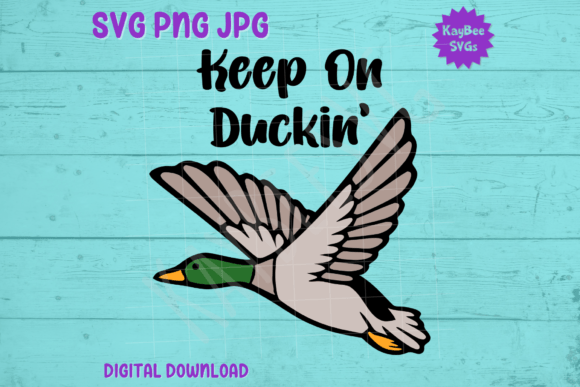
When I’m choosing a digital embroidery design for a real project, my first question is always: “Where will this live in the real world?” I’m not just looking at a graphic on a screen; I’m envisioning it as stitches on fabric, hanging on a store rack, or wrapped as a gift. The Keep on Duckin design immediately caught my eye for its playful, outdoorsy vibe. It’s a mallard duck, but the name and the attitude give it a humorous, resilient personality. This isn’t a formal wildlife illustration; it’s a character. That’s a crucial distinction for embroidery, where a design’s mood translates directly into the product’s appeal.
The Mood and First Impressions: Where This Duck Belongs
This design has a friendly, casual energy. The layout is clean and centered, making it a natural focal point. It’s the kind of graphic that feels perfect for a personal touch—think of a dad’s favorite sweatshirt, a baby’s nursery pillow, or a cozy kitchen towel in a cabin-themed home. For small businesses and makers, it slots beautifully into a line of products for outdoorsy folks, hunters, bird watchers, or anyone who appreciates a bit of whimsical nature. I can immediately picture it embroidered on a tote bag for a craft fair, or as a custom patch on a backpack. The detail level looks balanced; not overly simplistic, but also not so intricate that it would become a dense, stiff mass of stitches on lightweight fabric.
A Practical Test Run: Embroidering a Tote Bag
Let’s walk through a real scenario. Say I’m preparing a custom embroidered tote bag as a gift for a friend who loves duck hunting. I load the machine embroidery file, hoop my canvas tote with the right stabilizer, and run a test. Here’s what I’d be observing: The lettering “Keep on Duckin” is a key component. In embroidery, small text can be tricky—it needs clear stitch clarity to remain readable. I’d pay close attention to the stitch density in those letters to ensure they don’t bunch up. The duck’s outline and features likely use a satin stitch or a clean running stitch, which would give a nice, bold definition against the bag’s fabric.
The result? A tote with personality. It feels handmade and personalized, which increases its value as a gift. For an Etsy seller, this kind of finished product photographs well for listings and connects with a niche audience. It tells a story, which is far more engaging than a generic pattern.
Performance Across Real Projects: Strengths and Considerations
This Keep on Duckin design has a versatility that’s attractive for a craft business. It would shine on:
- Custom apparel: Hoodies, t-shirts, and caps for a casual, themed look.
- Home goods: Pillow covers, tea towels, or blankets adding a touch of rustic charm.
- Personalized gifts: Embroidered on a baby bib or a holiday apron.
- Small shop merchandise: As a consistent design across a boutique’s product line.
However, a professional designer always thinks about where a design might need careful handling. For this one, I’d be cautious on very small hoop sizes. If you’re trying to shrink it dramatically for a kid’s hat or a tiny patch, the lettering might lose its crispness. Similarly, on highly textured fabrics like a thick sweater or a stretchy fabric like a knit tee, you’ll need to choose your stabilizer wisely to prevent distortion. On dark fabric, you’d need to plan your thread colors for maximum contrast—a white or bright green satin stitch for the duck would pop beautifully.
The curved surface of a cap is another test. The design’s central layout should adapt well, but you must ensure the digitizing is clean for such an application. These aren’t flaws; they’re just the practical realities of turning a digital embroidery file into a physical, sellable finished product.
How It Enhances Your Craft and Business
Using a design with this much character does more than decorate an item. It boosts customer trust in your handmade work because it shows thoughtful curation. It improves giftability—people buy gifts that feel specific. For brand consistency, if your shop leans toward nature or humor, this design becomes a recognizable asset. In commercial embroidery for a client, like producing a run of shirts for a duck club, it offers a professional, ready-to-use graphic that avoids a generic feel.
Essential Designer Notes Before You Stitch
My final advice, always, is to treat every new design as a prototype. Here’s my checklist for Keep on Duckin before it goes into a client’s project or my shop inventory:
- Test on scrap fabric first, using the same material as your final product.
- Check thread color contrast for both light and dark backgrounds. Run a simple black-and-white mockup in your software to see the forms clearly.
- Review stitch density by looking at the file preview; areas that look very solid might be heavy on lightweight fabrics.
- Confirm hoop size suitability. Don’t assume it will work at a 3-inch hoop if it’s designed for a 5-inch field.
- Inspect small details like the duck’s eye or the ends of the letters. These are the spots where embroidery machines need clean paths.
- Use proper stabilizer. This is non-negotiable for maintaining the design’s shape and your fabric’s integrity.
- Most critically, confirm the licensing before selling finished items. The description mentions personalization, but for commercial projects and selling the finished product, you must know the terms. This is a core part of your professionalism as a maker or digital product seller.
In the end, the Keep on Duckin – Mallard Duck design stands out as a confident, cheerful choice. It’s not just another graphic; it’s a ready-made personality for your embroidery project. When stitched well on the right product, it tells a little story, and that’s exactly what makes a handmade item feel special. Whether you’re embroidering a single gift or a batch for your Etsy shop, this kind of design turns a routine stitch-out into a product with a smile.