Sorry I'm Late, I Saw a Great Dane
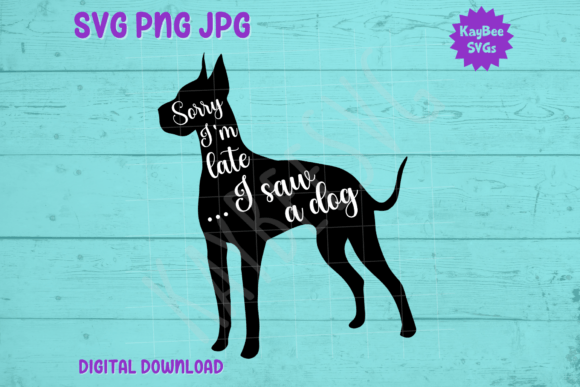
When you're selecting an embroidery design for a real project—something destined for a client, a gift, or your shop shelves—the first impression is crucial. You're not just looking at lines on a screen; you're imagining stitches on fabric. Sorry I'm Late I Saw a Dog - Great Dane delivers that first impression with a charming, relatable clarity. The immediate mood is playful, apologetic, and utterly dog-lover-centric. It’s a conversational piece, not just a static graphic.
The layout, with its bold text and the proud, silhouetted Great Dane, feels balanced for embroidery. The clean shapes and generous spacing between elements signal that this isn't a design that will turn into a dense, puckered mess of stitches. It has a visual personality that’s friendly and straightforward, perfect for translating thread into a story. My instinct tells me this design naturally belongs on relaxed, everyday items—the kind of products that spark a smile and a conversation.
Where This Design Finds Its Perfect Stitch
Imagine you’re preparing a custom embroidered tote bag for a client who’s a known canine enthusiast. Or maybe you’re stitching a cozy sweatshirt for a holiday gift. Sorry I'm Late I Saw a Dog - Great Dane shines in these real-life embroidery situations. Its theme is universal enough for a wide audience but specific enough to feel personal.
On apparel like t-shirts and sweatshirts, it becomes a personality patch. For baby clothes or nursery decor, it’s a sweet, gentle statement for pet-loving parents. As an embroidered patch, it’s sturdy and recognizable. On kitchen towels, aprons, or pillow covers, it adds a touch of humor to domestic spaces. For small business merchandise—say, in a boutique that caters to animal lovers—it enhances brand consistency with a handmade, approachable feel. In Etsy listings or craft fair products, this design has the ‘giftability’ factor; it’s easy for a buyer to envision it as a perfect present.
The clean lines also make it excellent for digital product previews and printable mockups. When you’re selling the finished product online, the clarity of the design translates well in photos, building customer trust in the craftsmanship.
Considerations Before You Hoop the Fabric
Like any embroidery file, success depends on thoughtful application. The text, “Sorry I’m Late I Saw a Dog,” is the dominant element. On curved surfaces like caps, you must consider how the longer text will flow. It may require careful placement or a slightly larger hoop size to maintain readability.
The silhouette of the Great Dane is a solid shape. On textured fabrics like some blanket materials, or on dark fabric where you’ll need light thread, test the stitch density to ensure it doesn’t sink in or look sparse. For thin or stretchy fabrics, the stabilizer choice becomes paramount—you want that fill stitch area on the dog to be smooth without distorting the base material.
While the design isn’t overly intricate, the smaller details, like the interior lines suggesting the dog’s form, deserve attention. In tiny hoop sizes, these details might blend; a slightly larger scale will preserve them. This is not a design for minuscule embroidery.
The Stitched Effect on Value and Appeal
When this design is stitched well, its impact is direct. The visual appeal lies in its honesty. It doesn’t pretend to be formal; it’s a snippet of life, which makes the finished product feel personal and authentic. For a crafter or small shop owner, that authenticity boosts the handmade presentation. A customer isn’t just buying a generic graphic; they’re buying a shared sentiment.
Stitching clarity is key. With sufficient thread color contrast—a crisp white satin stitch on a navy sweatshirt, or a dark charcoal fill stitch on a light linen tote—the message pops. This clarity directly affects perceived product value. A clean, well-executed embroidery of this design looks professional, which engages buyers and encourages them to see it as a worthwhile purchase, not just a craft project.
For creative entrepreneurs, it’s a design that can anchor a product line. Think of a series of “Sorry I’m Late” variations for different animals. It fosters recognition and can become a signature item for your brand.
A Designer’s Practical Notes for Your Project
Before you commit this to a final product, run through these checks. They’re the difference between a good idea and a great finished piece.
- Always test the design on scrap fabric first. Use the same material and weight as your final project.
- Check thread color contrast thoroughly. View it in both black and white mockups mentally to gauge its strength on light and dark backgrounds.
- Review the stitch density in your test. Is the fill stitch area on the dog too dense for your fabric? Does it require trimming?
- Confirm your hoop size can accommodate the design comfortably, allowing the text to remain legible.
- Inspect the small details after stitching. Are the defining lines of the Great Dane clear?
- Use proper stabilizer for your specific fabric—this is non-negotiable for maintaining crisp edges on the text and a smooth fill on the dog.
- Crucially, check the provided license terms. Before selling finished items or using the design in commercial embroidery projects, confirm that your use is permitted. The product description mentions personalization, but specifics are essential.
Sorry I'm Late I Saw a Dog - Great Dane is a graphics file categorized under T-Shirt Designs, which suggests its core strength. But its utility stretches far beyond tees. As a digital embroidery file, it’s a versatile asset. Its charm is in its execution. When stitched with care onto the right product, it tells a simple, human story—one that resonates with fellow dog lovers and makes for a genuinely delightful personalized gift or small shop product.
Your final step is to imagine it stitched. Picture it on that tote bag, that baby blanket, that apron. Does it fit the mood? Does it feel right? For many projects, for many makers, I believe the answer will be a confident yes.