Screw It I Can Fix That: A Designer’s Toolbox
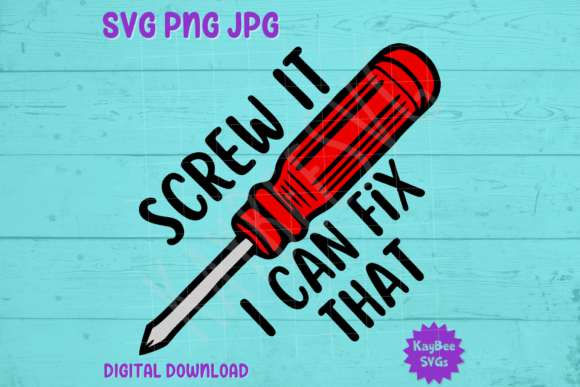
Every embroidery file that comes across my screen is a potential project waiting to be judged not just on aesthetics, but on real-world viability. When I saw the Screw It I Can Fix That – Screwdriver design, my first thought wasn’t about the clever phrase; it was about the screwdriver itself. That central tool icon is the heart of this design, and it immediately sets a mood of confident, hands-on capability. It’s not overly cute or aggressively masculine; it’s a straightforward, graphic statement with a playful tagline. This creates a visual personality that’s perfect for hobbyists, makers, DIY enthusiasts, or anyone who appreciates a bit of self-sufficient humor.
The First Impression: Where This Design Naturally Belongs
The layout is smart. The text is secondary, acting as a supporting caption to the bold, iconic screwdriver. This hierarchy means the design isn’t reliant on tiny, intricate lettering to convey its message, which is a huge plus for embroidery clarity. In my mind, I instantly pictured this on a well-made canvas tote bag for a carpenter, or on the back pocket of a pair of denim jeans for a boutique product. It feels inherently practical, like it belongs on workwear, workshop aprons, or even a personalized tea towel in a maker’s kitchen. For a gift, imagine embroidering this onto a sturdy cotton sweatshirt for a friend who’s always tinkering—it’s recognition of their personality, not just a generic slogan.
Real-Life Embroidery Performance: From Mockup to Merch
Thinking through actual projects, this design shines in applications where the graphic can be centered and given prominence. On a custom apparel item like a t-shirt or sweatshirt, the screwdriver’s clean lines would translate well into satin stitch for the outline and a fill stitch for the handle, creating a solid, readable graphic. For a small business merchandise like an embroidered patch, the design’s balanced weight would make it a standout seller at a craft fair. I also considered it for a baby item—perhaps a burp cloth for a new parent who’s a fixer—but the scale would need to be adjusted carefully. The key is letting the tool be the hero.
As an Etsy seller creating digital product previews, this design would work beautifully in printable mockups on darker fabric backgrounds. The contrast between a likely metallic or bright screwdriver icon and the text would maintain clarity, boosting buyer engagement. For commercial embroidery projects, like branding for a hardware store’s staff caps, the design’s thematic relevance adds immediate value and professionalism.
Careful Application: Where to Tread Lightly
No design is universally perfect, and a practical review must note the careful considerations. The phrase “I Can Fix That” contains some smaller lettering. On highly textured fabrics like a thick knit sweater, or on curved surfaces like a cap’s dome, those details could lose definition if the stitch density isn’t optimized. Similarly, on very thin or stretchy fabric, the potential density of the screwdriver fill stitch might require a robust stabilizer to prevent puckering.
I’d advise avoiding very small hoop sizes that would force excessive miniaturization of the screwdriver details. The design’s strength is its iconic simplicity; compressing it too much could muddy that. For products destined for frequent washing, like kitchen towels or everyday t-shirts, testing the stitch integrity on scrap fabric first is crucial to ensure the design holds up over time, maintaining that handmade presentation quality that customers trust.
Visual Impact and Commercial Sense
When stitched well, this embroidery file elevates a basic item. On a plain apron, it becomes a statement piece. On a simple pillow cover, it injects character. This transformation affects product value directly—it turns a commodity into a personalized gift or a unique small shop product. For a creative entrepreneur, it supports brand consistency if your niche is tools, repairs, or empowering DIY culture.
The design’s giftability is high because it’s so specific. It speaks to a particular mindset, which often makes a gift feel more thoughtful. For commercial use, such as selling the finished embroidered item, the clear, professional execution of the screwdriver graphic would directly impact customer trust in your craftsmanship.
Practical Designer Notes Before You Hoop It
My process for any new design like Screw It I Can Fix That – Screwdriver involves a few non-negotiable checks. First, always stitch it out on a scrap of the actual fabric you intend to use, even if it’s just a section. This reveals how the thread colors interact with your background—a light screwdriver on a dark denim versus a dark one on a light canvas can look vastly different. Review the stitch density in your machine embroidery software; is the fill stitch for the handle too dense for a lightweight t-shirt?
Inspect the small details in the text corners and the screwdriver tip. Run a test in both black and white mockups to see its versatility. Confirm the hoop size you need to keep all elements crisp. And crucially, as this is a graphics product from a third-party shop, confirm the licensing before selling any finished product or incorporating it into your commercial embroidery offerings. Understand whether it’s cleared for personal and commercial projects.
Use proper stabilizer for your chosen fabric texture—this isn’t a design you want to skimp on support. For applications like an embroidered patch or tote bag design, which are less prone to stretching, you might have more flexibility. But for baby embroidery on soft cotton or holiday embroidery on a festive sweater, that foundation is key.
The Final Assessment: A Design Built for Use
Screw It I Can Fix That – Screwdriver passes my review as a design asset with strong practical legs. Its mood is confident and playful, its layout is embroidery-friendly, and it belongs on items that see real use. It’s not a delicate decorative accent; it’s a workhorse graphic meant for the real world. Whether you’re a hobbyist making a gift, an apparel decorator running a batch of caps, or a craft business owner adding a new product line, this design offers clear stitching clarity and a visual personality that connects with a specific audience. Just remember the cardinal rule of any embroidery project: test first, stitch with confidence second. This design rewards that careful approach with a finished product that genuinely looks like you can, indeed, fix anything.